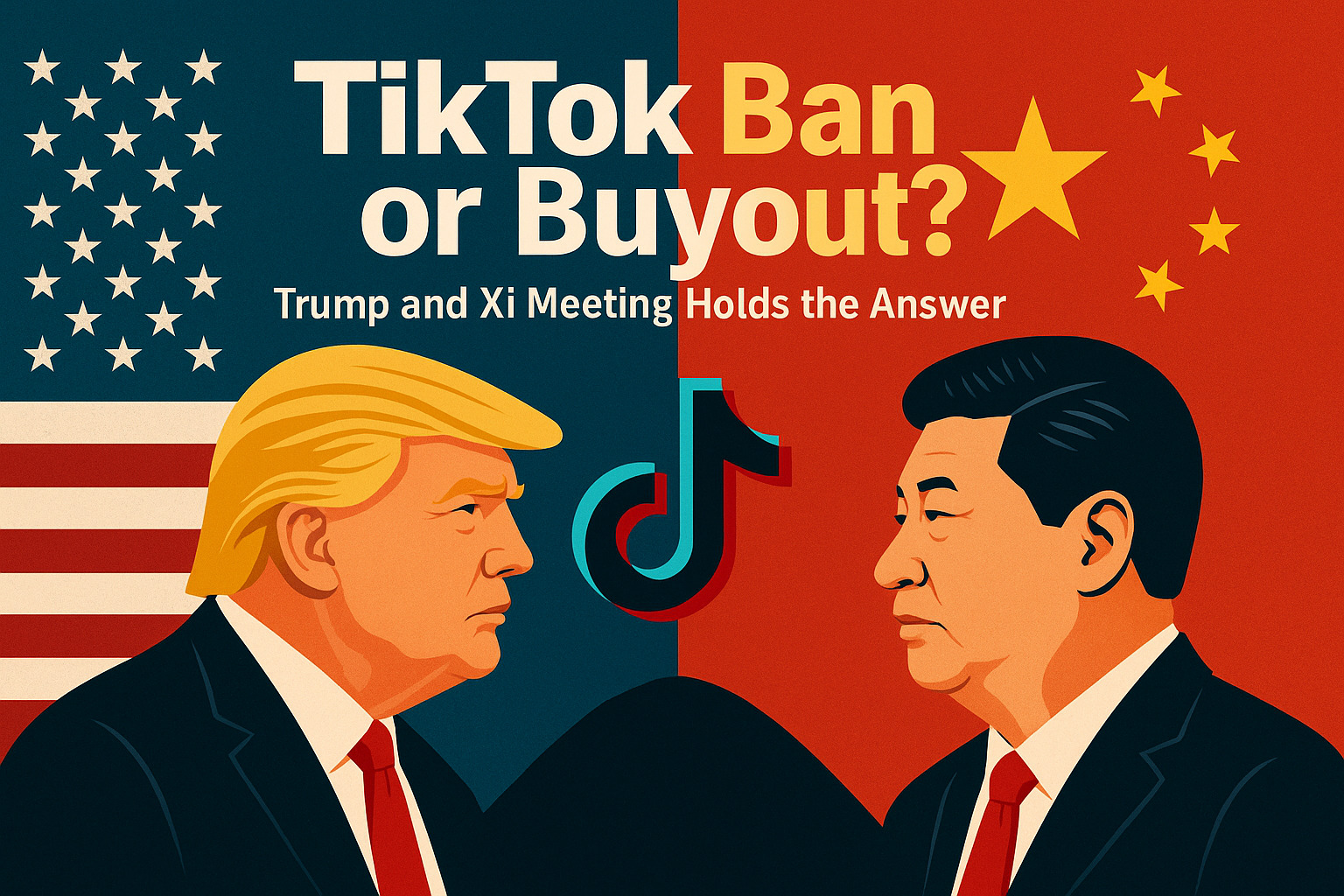

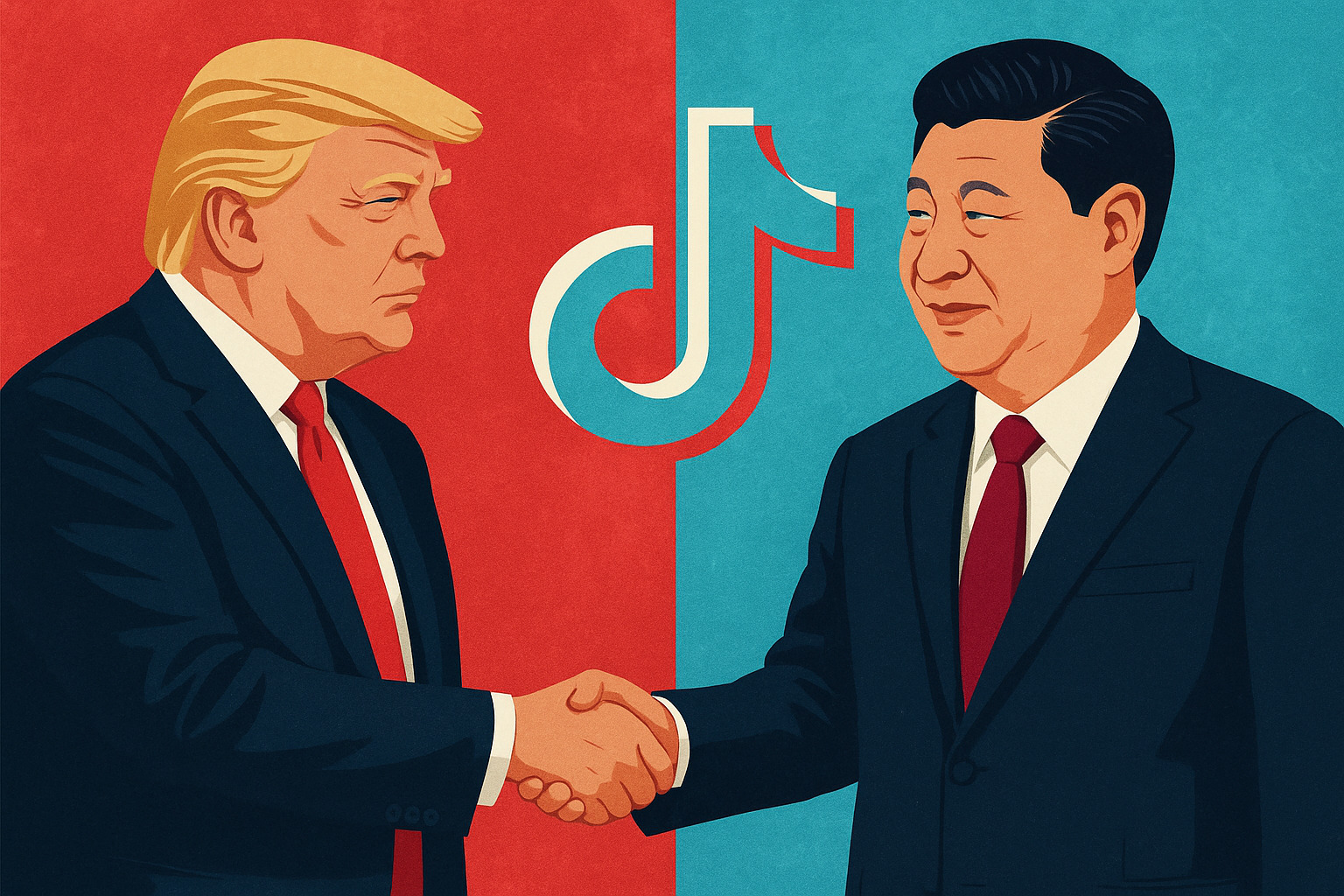
US President Donald Trump has confirmed a deal with China that will allow TikTok to continue operating in the United States. The agreement comes after months of uncertainty over the app’s future, with lawmakers pressing for ByteDance, TikTok’s Chinese parent company, to divest.
Trump told reporters he would speak with Chinese President Xi Jinping on Friday to finalize the details. The goal: prevent a nationwide ban on the video-sharing platform, which boasts more than 170 million American users.
“Kids Want It So Badly,” Says Trump
Speaking to reporters, Trump emphasized the demand for TikTok among young people.
“We have a group of very big companies that want to buy it. And you know, the kids want it so badly,” he said.
Trump even claimed parents had called him, worried their kids would be upset if TikTok disappeared. “I hate to see value like that thrown out the window,” he added.
Deadline Extended for ByteDance to Divest
Later that day, Trump signed an executive order giving ByteDance until December 16 to reduce its stake in TikTok or face a ban. Reports from The Wall Street Journal and The New York Times suggest Chinese ownership could be cut to under 20% under the proposed agreement.
Trump credited TikTok with helping him connect with younger voters in the last election, though he offered no specifics about the exact terms of the deal.
China Hails “Mutual Benefit”
China’s People’s Daily, the official newspaper of the Communist Party, praised the deal as a model of cooperation.
“China’s commitment to safeguarding national interests and the legitimate rights of Chinese enterprises remains unwavering,” the commentary read.
The paper added that matters such as technology export approvals and intellectual property licensing rights related to TikTok would be handled lawfully.
Experts Question What China Gains
Not everyone is convinced. Yan Liang, economics professor at Willamette University, said Beijing is unlikely to agree without major concessions.
“After all, Trump has the interest to keep TikTok running for his personal political gain,” she said.
“Trump’s business clientele also has the interest to keep TikTok alive, even if they don’t hold a majority control of this lucrative company.”
Bipartisan Support for TikTok Restrictions
TikTok’s uncertain future stems from legislation passed last year requiring divestment from Chinese ownership. Both Democrats and Republicans backed the move, citing concerns that Beijing could use the platform for surveillance or propaganda.
Ironically, Trump himself once pushed to ban TikTok outright, only to reverse course during his re-election campaign by promising to “save” it.
Critics Warn of Free Speech Issues
Some experts argue banning TikTok would harm free speech without addressing broader data privacy risks.
Ryan Calo, co-director of the Tech Policy Lab at the University of Washington, told Al Jazeera:
“I never thought the United States should shut down TikTok over speculation that China might gather information about, or try to influence, Americans. So, from that perspective, striking a deal to preserve TikTok in the United States is a win.”
But he also criticized the White House for bypassing Congress:
“This is a blow to the rule of law, among many,” Calo said.
Concerns Over Political Influence on TikTok Content
Anupam Chander, a law and technology expert at Georgetown Law, warned of possible political influence in the future.
“Many Americans have been worried that the change in ownership of CBS might change the politics of the channel,” he explained. “It’s also fair for TikTok users in the US to wonder if our TikTok content will shift to reflect the views of new owners aligned with the current Administration.”