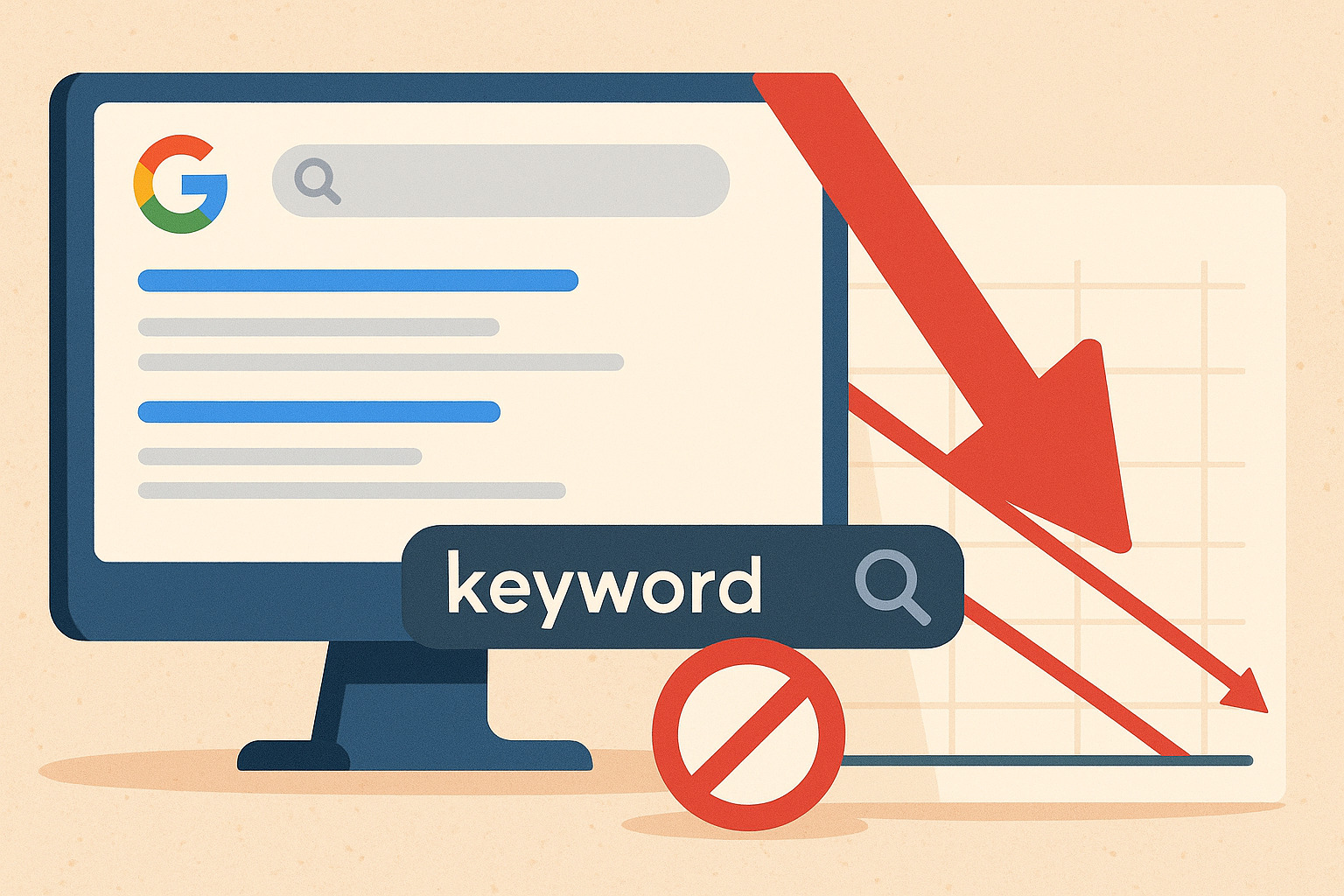


A federal judge in the DOJ’s antitrust case against Google ruled that the tech giant must stop using exclusive contracts and share its search data with rivals.
Google will retain its Chrome browser, but it cannot rely on exclusive deals to secure default placement in browsers and smartphones. The decision, issued by U.S. District Judge Amit Mehta, marks a major development in the government’s push to curb Google’s search monopoly.
Why it matters for search and SEO
This decision strikes at the foundation of Google’s business model. While Google avoided the drastic outcome of being forced to sell Chrome, it lost its ability to maintain exclusive search distribution agreements.
For years, Google paid Apple an estimated $20 billion annually to remain the default search engine on iPhones and Safari, cementing its dominance. Without these agreements, rivals such as Bing, DuckDuckGo, and emerging AI-driven search tools could capture more market share.
Details of the judgment
The court prohibited Google from entering exclusive contracts tied to Search, Chrome, Google Assistant, and Gemini products.
Judge Mehta clarified in his ruling:
“Google will not be required to divest Chrome; nor will the court include a contingent divestiture of the Android operating system in the final judgment. Plaintiffs overreached in seeking forced divesture of these key assets, which Google did not use to effect any illegal restraints.”
Timeline of the case so far
The antitrust battle has been ongoing for years.
2020 – The DOJ filed its lawsuit, alleging that Google illegally maintained its dominance in online search.
Aug. 5, 2024 – After a 10-week trial, Judge Mehta ruled that Google violated antitrust law by holding an illegal monopoly.
April 2025 – The DOJ proposed remedies, including Chrome divestiture and restrictions on search data and advertising practices.
What happens next
Google has confirmed it will appeal the ruling, meaning enforcement could take years. In the meantime, the decision may accelerate changes in how consumers access search, as competitors look to fill the gap left by Google’s exclusive arrangements.
For businesses and SEOs, the ruling underscores the importance of multi-platform visibility strategies, as search behavior becomes more fragmented beyond Google.