
Look around for a moment: coffee cups, flyers, restaurant tables, even street banners. Chances are, you will spot at least one QR code. A few years back, most of us barely paid attention to them. Now, a quick scan feels as natural as opening a new tab. That little square has quietly changed how people discover brands, claim offers, and move between the real world and the digital one.
The QR code market has reached roughly 13 billion USD in value, according to Mordor Intelligence. It is not just about technology anymore; it is about convenience and creative storytelling. The more accessible QR creation tools become, the more ways brands find to use them.
Global Growth Snapshot
QR codes started out inside warehouses and delivery systems. Then the pandemic made them a daily utility. That shift gave marketers a new way to connect physical products with digital experiences. Since then, their usage curve has stayed pointed upward.
| Year | Market Value (USD Billion) | Main Driver |
|---|---|---|
| 2021 | 6.8 | Contactless menus and mobile payments |
| 2023 | 10.1 | Better smartphone cameras and consumer trust |
| 2025 | 13.0 | Dynamic codes with analytics and tracking |
Right now, about 65% of all QR codes used globally are dynamic. That means the destination link can be edited anytime. Marketers love this flexibility, since one printed code can power a dozen campaigns across the year. Trimrly helps users update and track these codes instantly without extra costs or reprints.
Consumer Scanning Behavior
There is no doubt that scanning has become second nature. Research from Uniqode shows around 59% of consumers scan at least one QR code daily. Another 68% say they have scanned one in the last year. The most active scanners are Gen Z and Millennials, though older demographics are not far behind when rewards or discounts are involved.
Even more surprising, QR Code Tiger reported a 400% surge in scans since 2020. People have clearly traded long URLs for quick camera scans. For marketers, that is gold because less friction means higher engagement.
How Marketers Are Using QR Codes
When a poster, card, or label can instantly open a landing page, that is marketing magic. QR codes make it possible. They act like silent call to action buttons printed on real world surfaces. Small businesses use them to track responses, while larger brands tie them to analytics dashboards for campaign insights.
- Retailers use QR codes for flash sales and loyalty rewards.
- Restaurants and cafés connect customers to menus, reviews, or feedback forms.
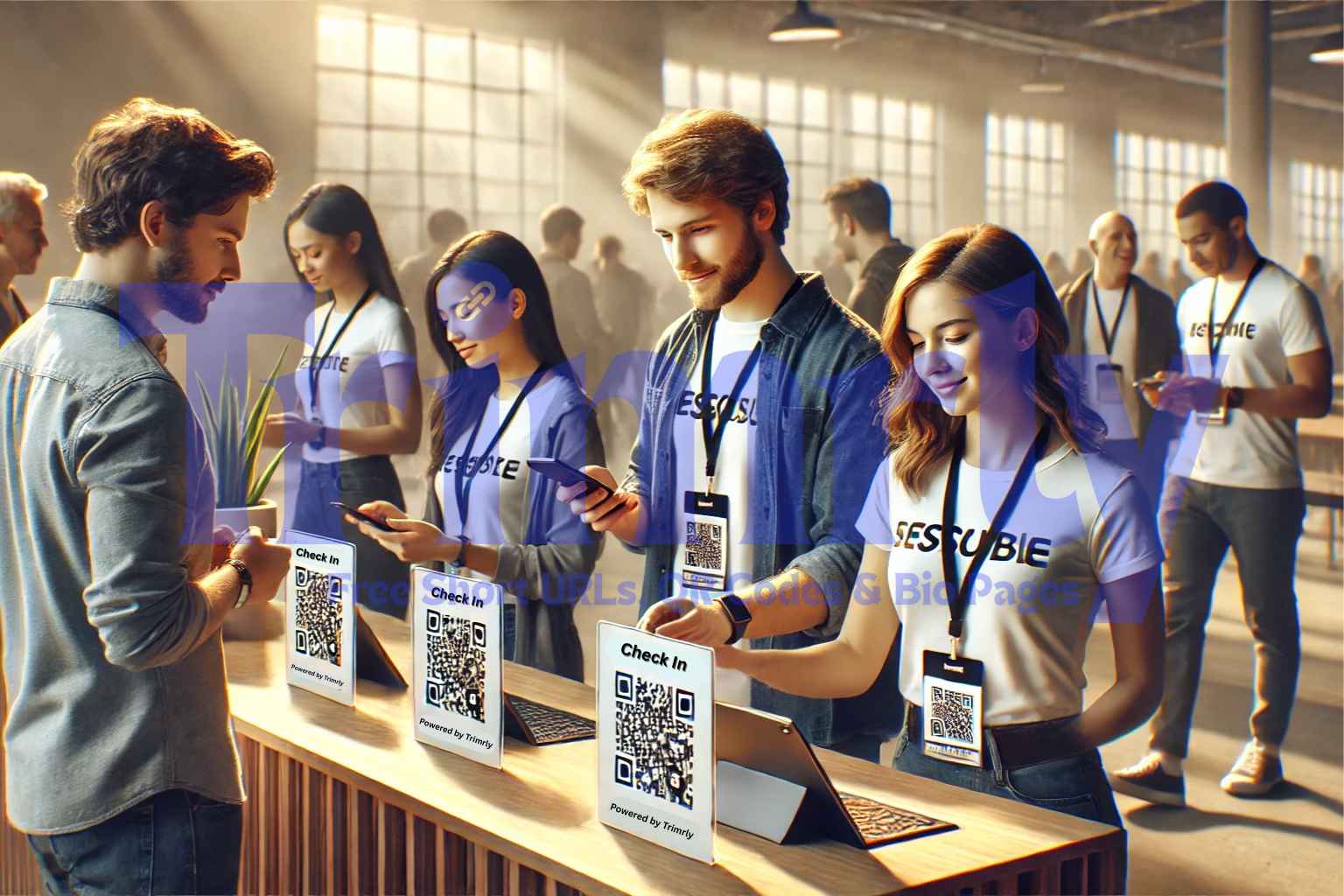
- Event teams rely on them for check ins and ticket validation.
- Trimrly users blend QR tracking with short link data for complete visibility.
Emerging Trends in 2025
The way marketers design and use QR codes keeps evolving. Creativity is taking over plain black and white boxes, and security features are improving too. Below are trends that define 2025.
- AI crafted designs: machine assisted styling adds brand colors and logos without hurting scan reliability.
- Augmented reality launches: a scan can reveal interactive 3D content or tutorials right on your phone.
- Verified redirects: trusted URLs that reduce phishing risk and build user confidence.
- Offline to online tracking: each scan becomes a data point that shows how physical marketing performs.
Common Mistakes to Avoid
Even strong campaigns can fall flat because of small design issues. Many of them are easy to fix once you know what to look for. Here are the usual culprits and quick solutions.
| Problem | Why It Hurts | How to Fix It |
|---|---|---|
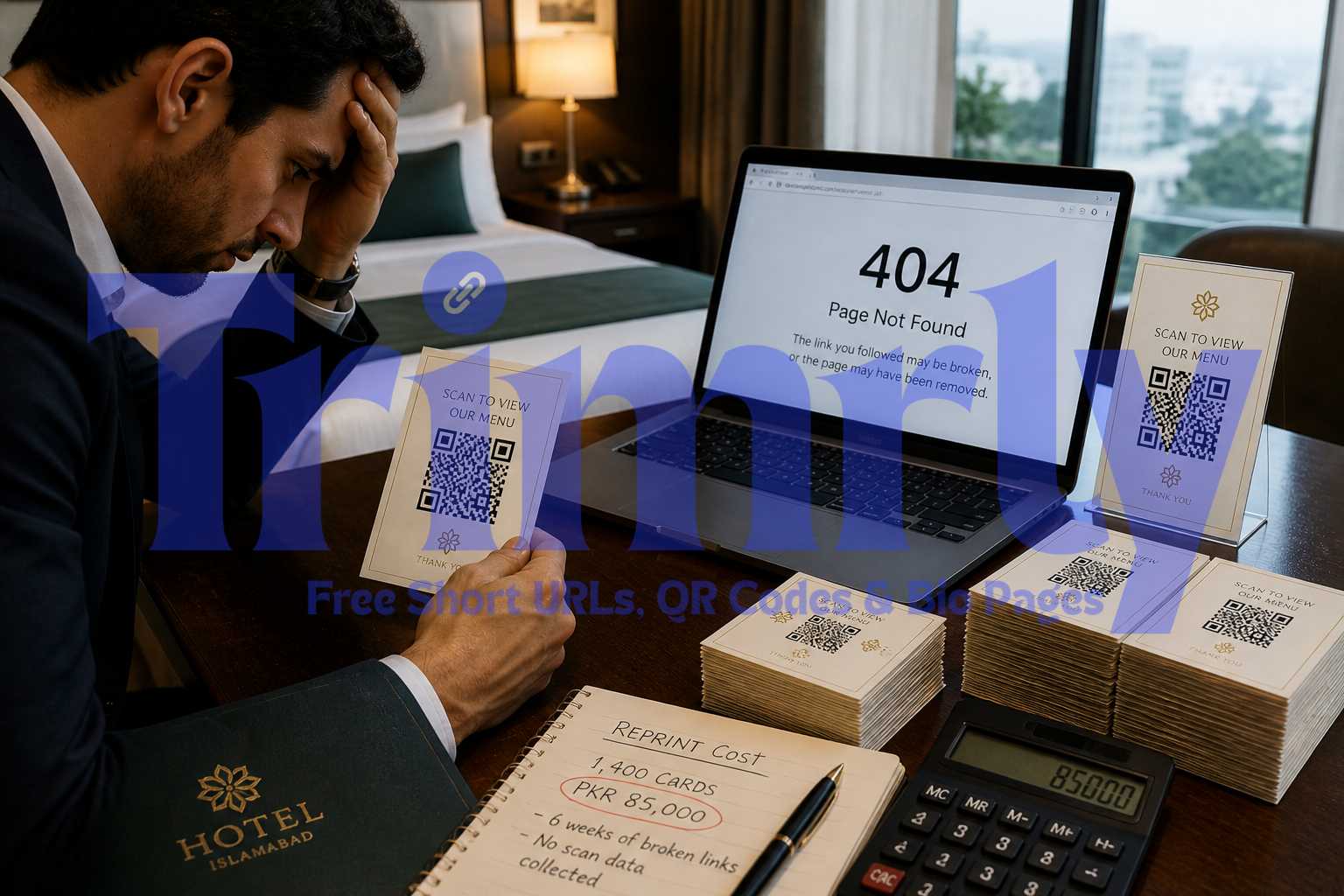
| Static code printed permanently | Leads to expired or outdated links | Use dynamic QR codes with editable destinations |
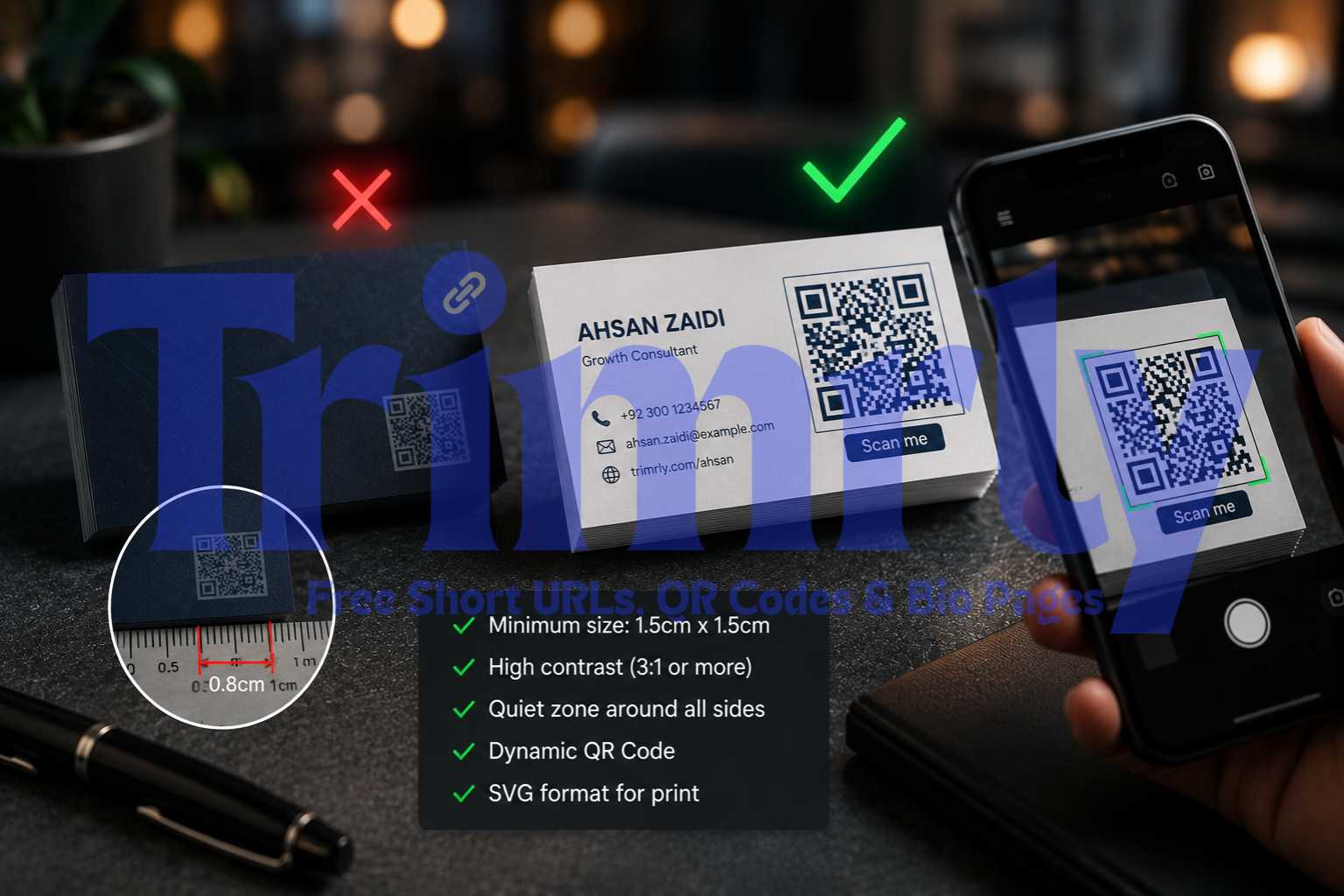
| Weak contrast or cluttered art | Reduces scan success | Keep strong contrast and clear white space |
| No performance tracking | Hard to prove campaign ROI | View detailed analytics inside Trimrly |
| No call to action nearby | People ignore the code | Add a phrase like “Scan to get 10% off” or “Scan to learn more” |
Benchmarks That Matter
What is considered good performance depends on placement, design, and incentive, but the averages below provide a realistic benchmark. Keep them in mind for your next campaign review.
- Average scan through rate: 8 to 14 percent depending on visibility and reward.
- Repeat scans: roughly one in five users return if the content updates.
- Suggested print size: at least 2 cm for handouts, 10 cm for large posters.
- Top performers refresh QR content about monthly to maintain interest.
Putting These Insights Into Action with Trimrly
Behind every great QR campaign is a solid setup. Trimrly gives you everything in one place: dynamic QR creation, analytics, and bio pages that showcase your key links. You can test ideas, change URLs on the fly, and track results without extra software.
- Open Trimrly’s QR Generator to create your first code.
- Attach it to a Bio Page for a unified mobile experience.
- Place the code on any printed or digital surface your audience sees.
- Use Trimrly’s analytics to monitor every scan and adjust your strategy.